
How to Winterize Outdoor Faucets Before the First Freeze
To winterize outdoor faucets, disconnect every hose, drain the line, and put an insulated cover on each spigot before the first freeze.
In Nashville, the average first freeze is October 29, per the National Weather Service. If a spigot already drips, don't wait for cold weather: that drip can mean the valve inside the wall has already cracked.
We saw exactly that last week.
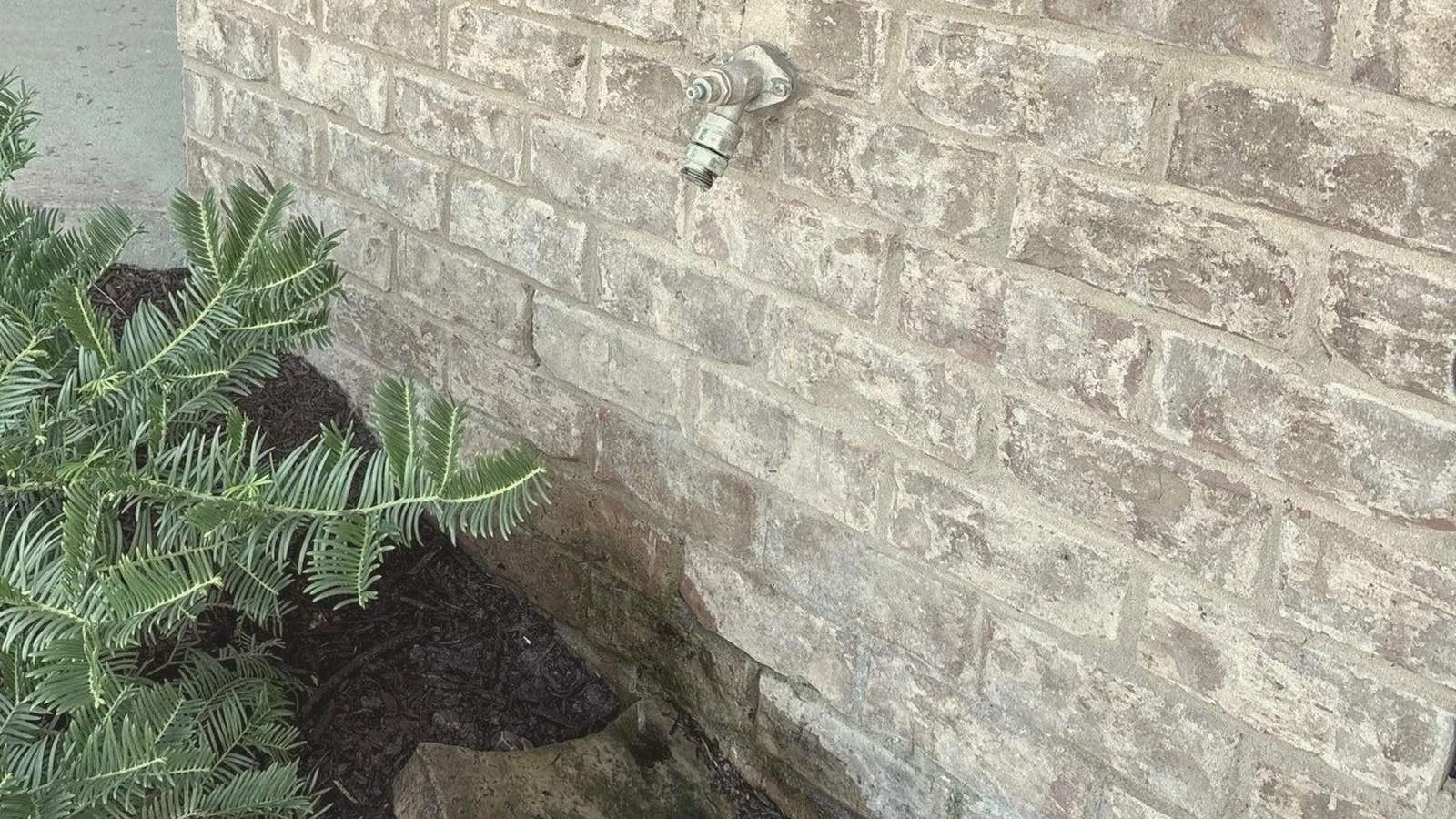
The drip our Home Operations Director found on a weekly home check.
What did we find at a client's home?
Our client had just bought this home, and we were looking after it for them. Every week, we do a documented 100+ point home check, inside and out.
On one of those checks, our Home Operations Director spotted an outdoor spigot that dripped steadily, even when it was turned off. It wasn't a big leak, and it wasn't an emergency. But moss and mold were already growing on the brick and the stone below it. This drip had been going for a long time.
The cause traced back to the previous owner. The spigot had never been winterized. Water sat in the line through a freeze, and the valve cracked where no one could see it.
Why do outdoor faucets burst inside the wall?
An outdoor faucet doesn't stop at the brick. The pipe that feeds it runs through the wall into your house.
When water is left in that line, it freezes and expands. If a hose is still connected, ice can back up into the pipe inside your house and crack it. Even frost-free faucets, which keep the valve up to 18 inches inside the wall, only drain properly when the hose is off.
That's why a small outside drip deserves attention. The damage you see in the yard is the small part. The crack is inside.
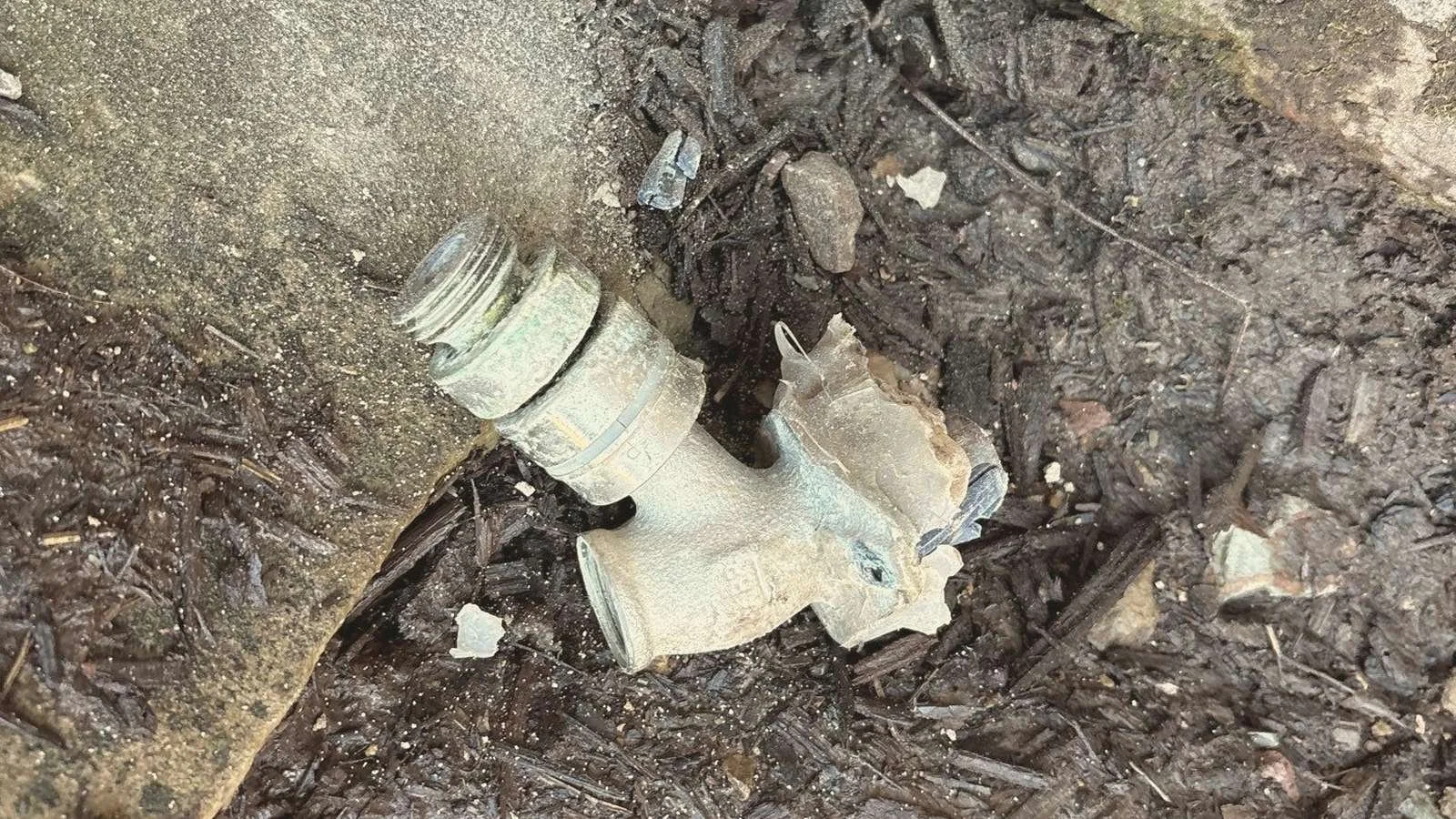
The old valve. It had burst inside the wall.
How do you winterize outdoor faucets?
Do this in mid-to-late October, before the first hard freeze:
Disconnect every hose. Drain it and store it for the winter.
Close the indoor shutoff, if you have one. Many homes have a separate valve inside for each outdoor faucet. Close it, then open the outside faucet so the line drains.
Cover every spigot. Insulated faucet covers are inexpensive and easy to find online or at any hardware store. They slow the heat loss through the pipe. Two we like: option 1 and option 2.
Disconnect again after any winter use. Used a hose on a warm day in January? Take it off the same day.
Take the covers off in spring, once the freezes are done.
As an Amazon Associate, Home CEO earns from qualifying purchases.
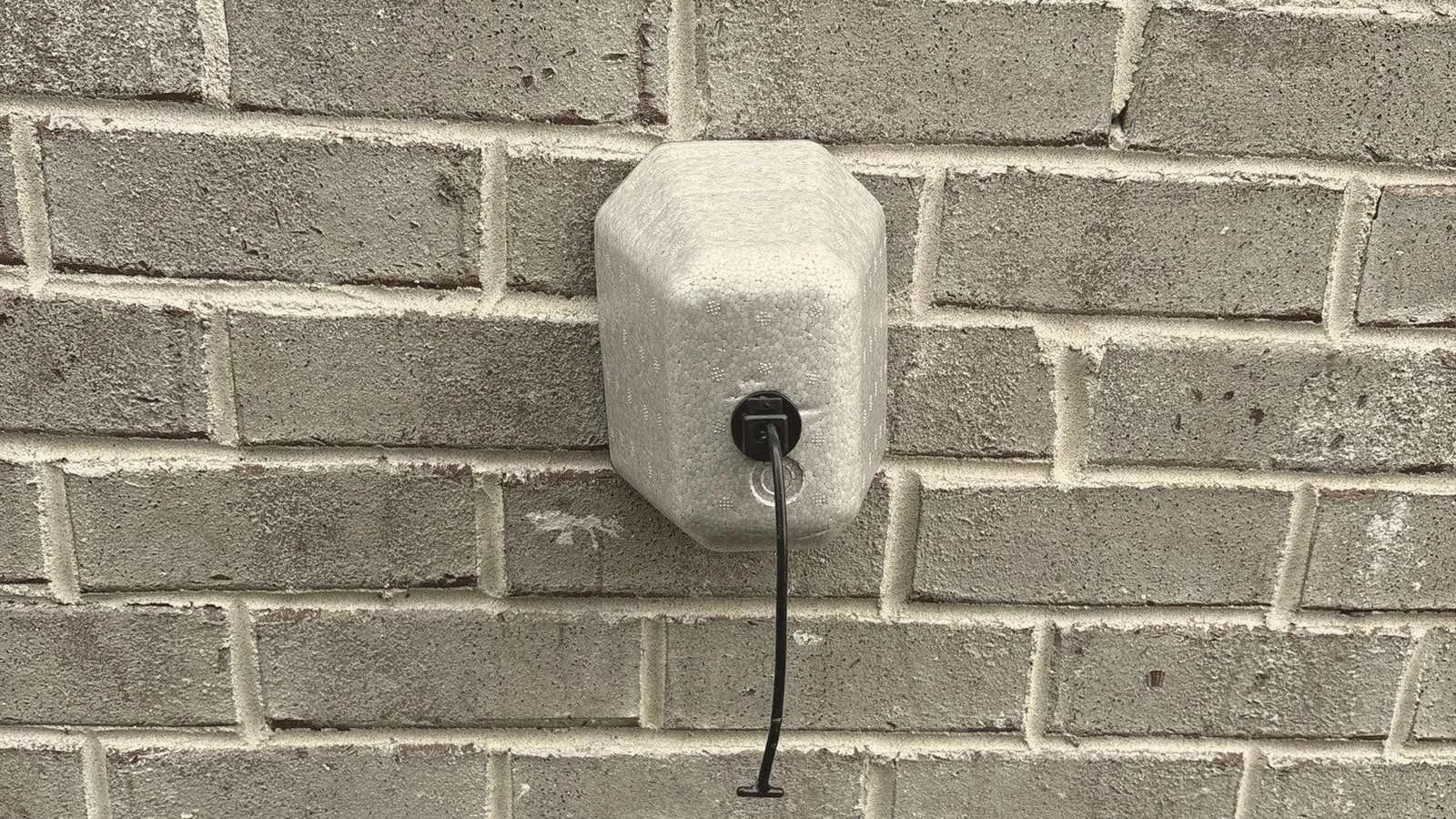
A cover on every spigot, every fall.
What should you look for before winter?
Walk the outside of your home this weekend and check every spigot:
It drips when it's turned off
Water stains, moss, or mold on the wall or ground below it
The handle spins freely or won't shut tight
Damp drywall, flooring, or trim on the inside wall behind it
A hose still attached from summer
Any of these is worth a call to a licensed plumber before the cold sets in.
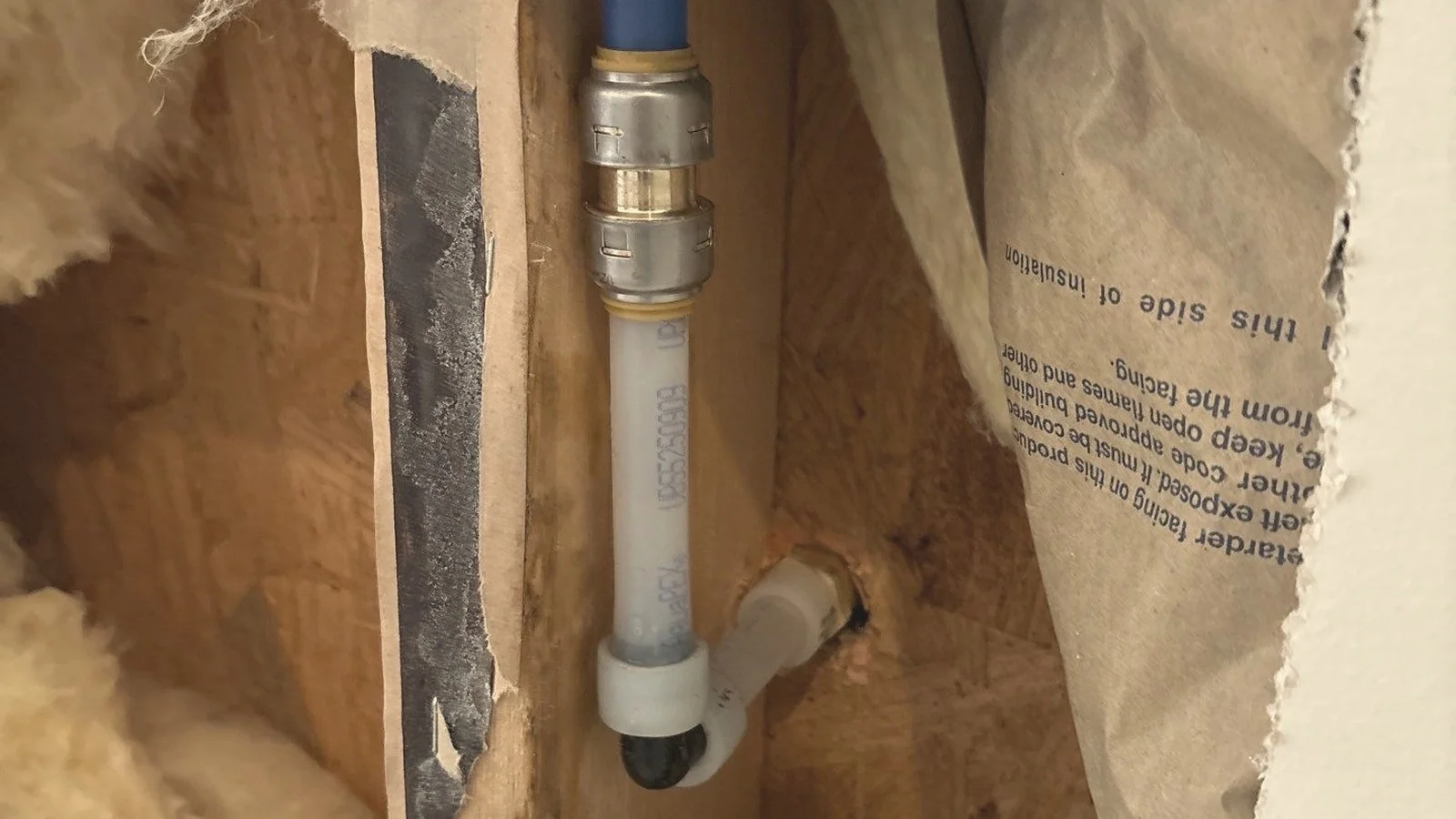
The part you can't see from the yard.
Should you repair a dripping spigot or replace it?
When a spigot drips after a winter without winterizing, we recommend replacing the whole valve. A new washer can stop a drip at the handle. It won't fix a crack inside the wall.
That's what we recommended to our client. The plumber came out, found the issue, and pulled the old valve. It had burst behind the wall.
From the field: To reach the line, we had the drywall opened from the inside before the plumber arrived. The standard replacement valve was too long for this wall, so the plumber went back for a shorter one. It went in, we tested it, and the drywall gets repaired next. One visit for the plumbing, and no water in the wall this winter.
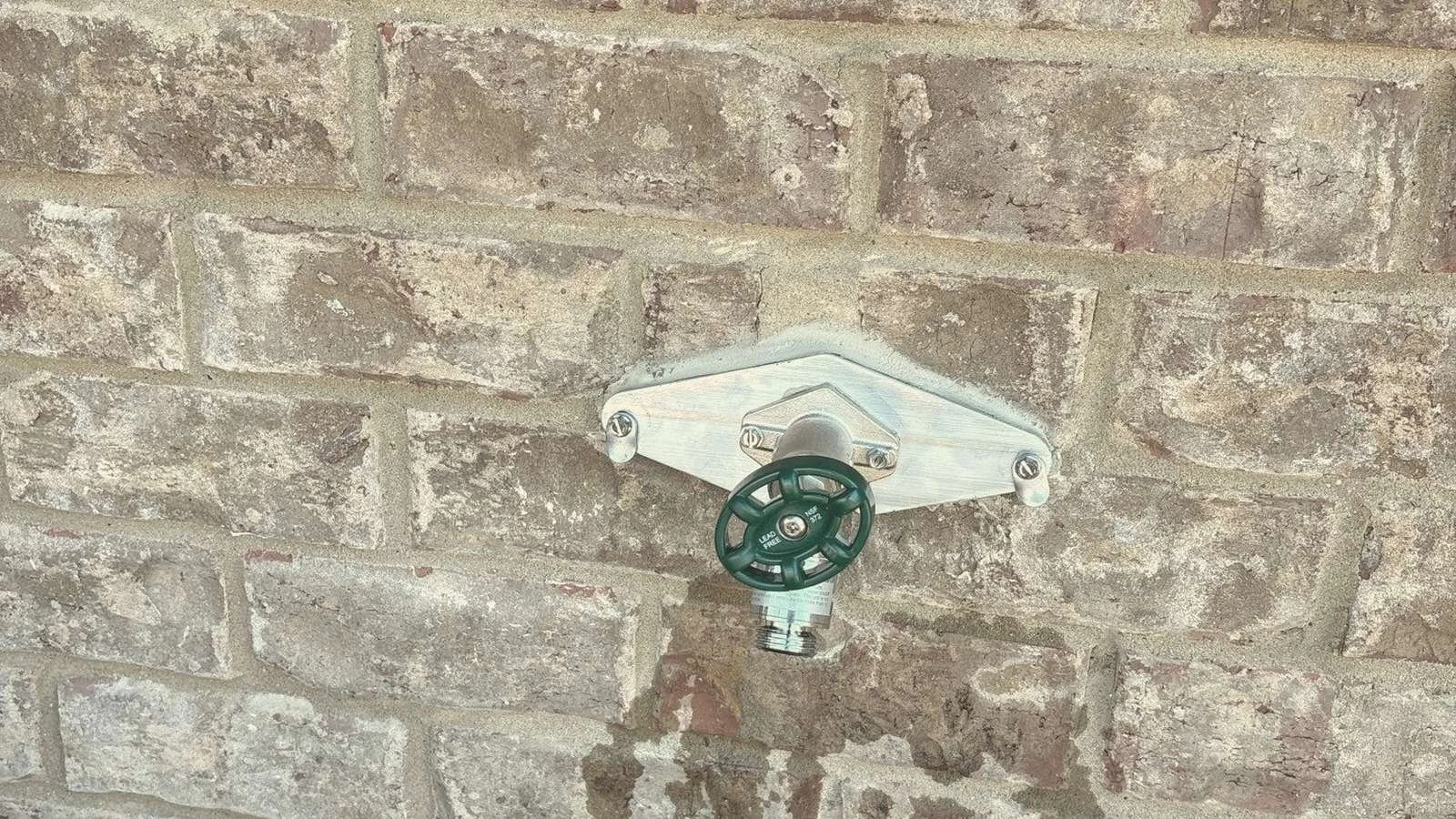
The new valve, installed and tested.
What does Home CEO do every fall?
For every home we manage, we winterize every outdoor faucet before the first freeze. We disconnect the hoses and put covers on every spigot. In spring, we take them off.
Through the winter, our weekly home check keeps an eye on each one. If someone uses a hose on a warm day, we make sure it gets disconnected again. If a spigot starts to drip, we catch it while it's still a drip.
If a pipe ever does burst, the first thing you need is your main water shutoff. Here's why we recommend an automatic water shutoff valve for every home.
Frequently asked questions
When should I winterize outdoor faucets in Middle Tennessee?
Before the first freeze. In Nashville, the average first freeze is October 29, per the National Weather Service. Outlying areas can freeze earlier, so mid-to-late October is a safe target.
Do frost-free outdoor faucets need covers?
Frost-free faucets help, but they only drain properly when the hose is off. We cover them anyway. A cover is inexpensive, and a burst pipe in the wall is not.
Can I use my hose in the winter?
Yes, on a warm day. Disconnect it and drain it right after, and put the cover back on.
My outdoor faucet is dripping. Is it urgent?
It's not an emergency, but don't wait for winter. A steady drip can mean the valve is already cracked inside the wall. Have a licensed plumber look at it now.
Does a dripping spigot raise my water bill?
Yes. A drip that runs day and night for months adds up, and it keeps the ground and wall below it wet.
Want your home winterized for you?
Home CEO manages homes in Brentwood, Franklin, and Nashville as if they were our own. We find the small problems before they turn into big ones, take care of them with our vetted vendor network, and bring you only the decisions you want to make. We have no financial relationship with any vendor, so every recommendation is made on your behalf.
