
Automatic Water Shutoff Valve: Why Every Home Needs One
An automatic water shutoff valve watches your home's main water line and closes it on its own when it detects a leak. It turns a burst pipe into a phone alert instead of a flooded house. If you own a home in Brentwood, Franklin, or anywhere in Williamson County, it's the first upgrade I recommend.
I learned that the hard way.
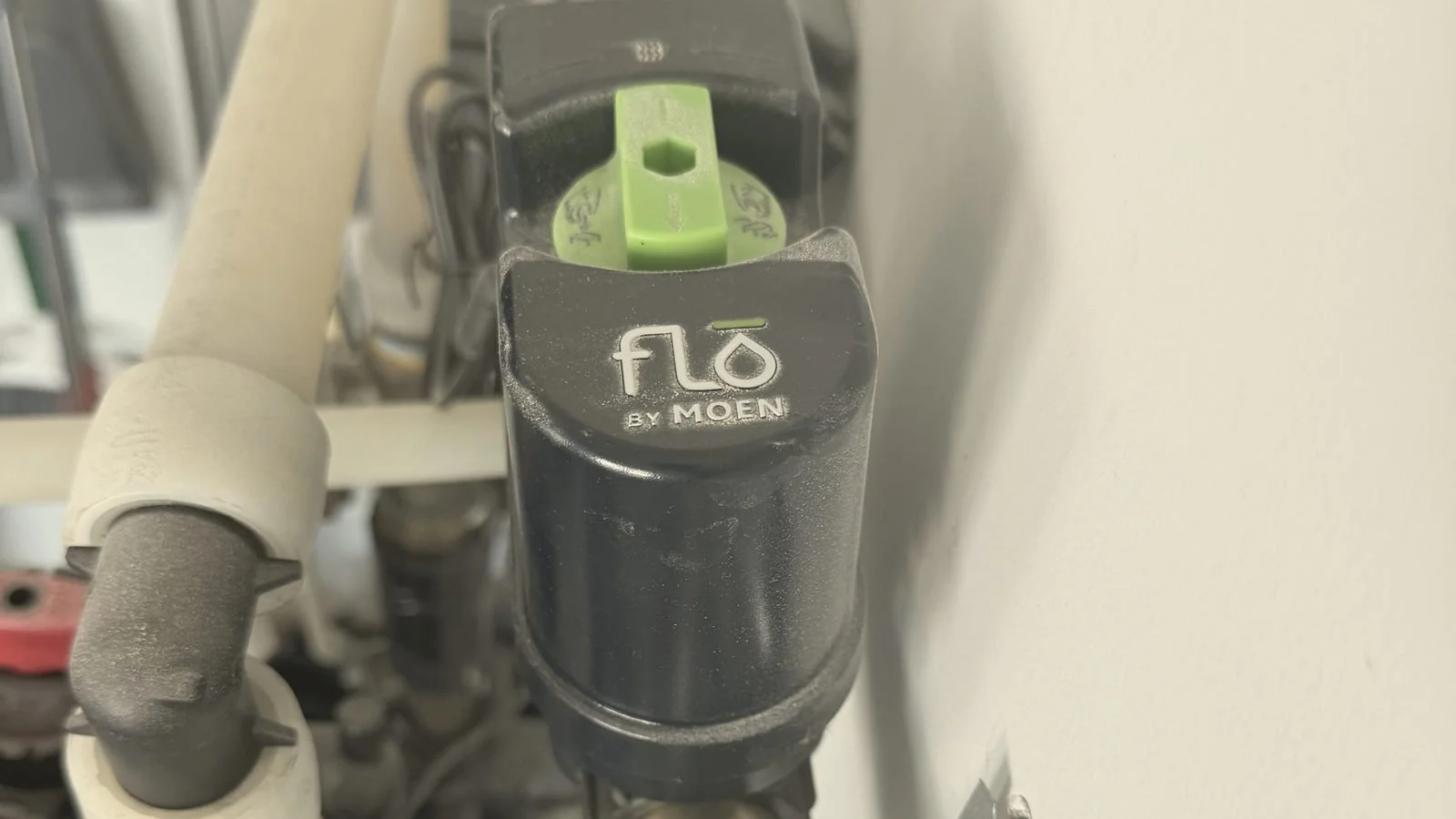
An automatic water shutoff valve on my home's main water line.
What happened in my home?
A pinhole leak in our powder bath gave way overnight. By morning, water had destroyed our first and second floors. We spent a year and a half rebuilding and living through construction.
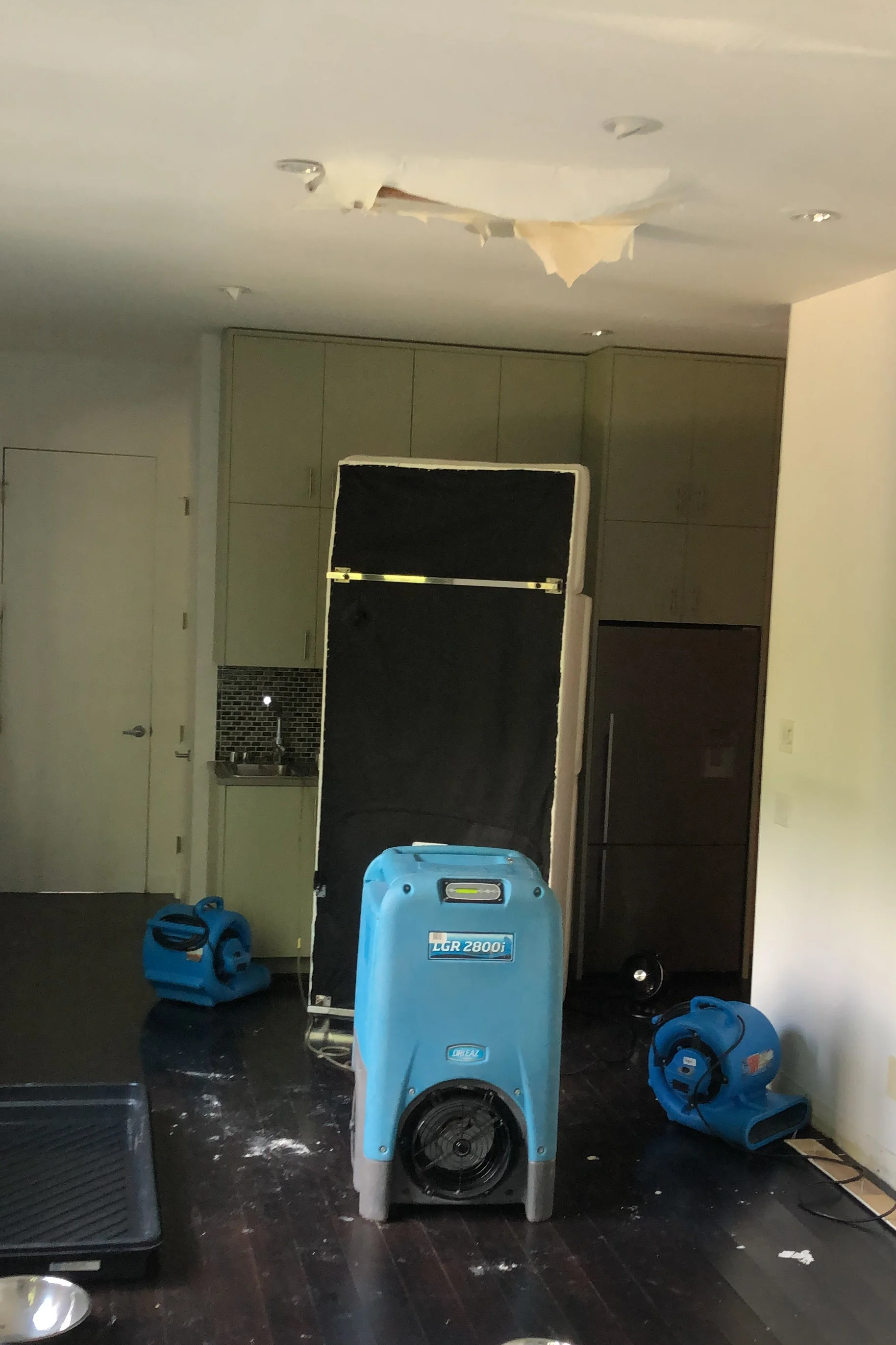
Next morning - our basement living area
The leak started small, slow, and hidden. An automatic shutoff would have closed the main line and sent an alert before the damage spread.
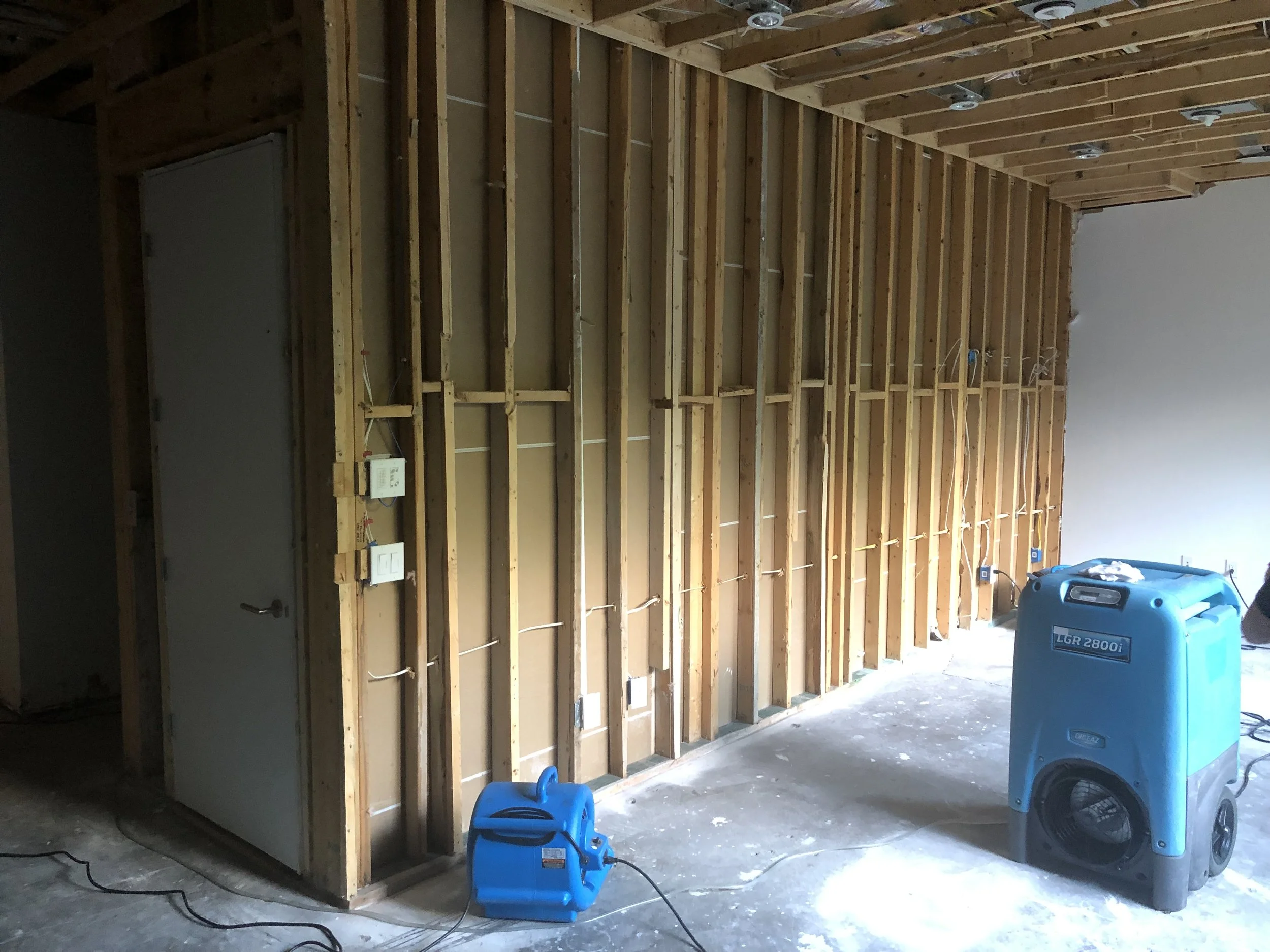
Rebuilding took a year and a half.
That experience shapes how we run every home we manage. We look at the whole house, not the one task in front of us.
How often does water damage happen?
More often than most owners expect. Per the Insurance Information Institute, about 1 in 67 insured homes files a water damage or freezing claim each year. The average claim paid from 2019 to 2023 was about $15,400.
That figure covers the repair bill. It doesn't cover months of contractors in your house, or the things you can't replace.
How does an automatic water shutoff valve work?
A smart shutoff installs on your main water line, where water enters the house. It monitors flow, pressure, and temperature around the clock.
The device we install most often is the Moen Flo Smart Water Monitor and Shutoff. Per Moen, it:
Runs a daily test that detects leaks as small as a drop per minute
Learns your household's normal water use
Shuts off the water automatically when it sees something abnormal
Sends alerts by app, phone call, and email
Lets you turn the water off from your phone, from anywhere
Here's what a critical alert looks like on my own phone. The app flagged water running when it shouldn't be:
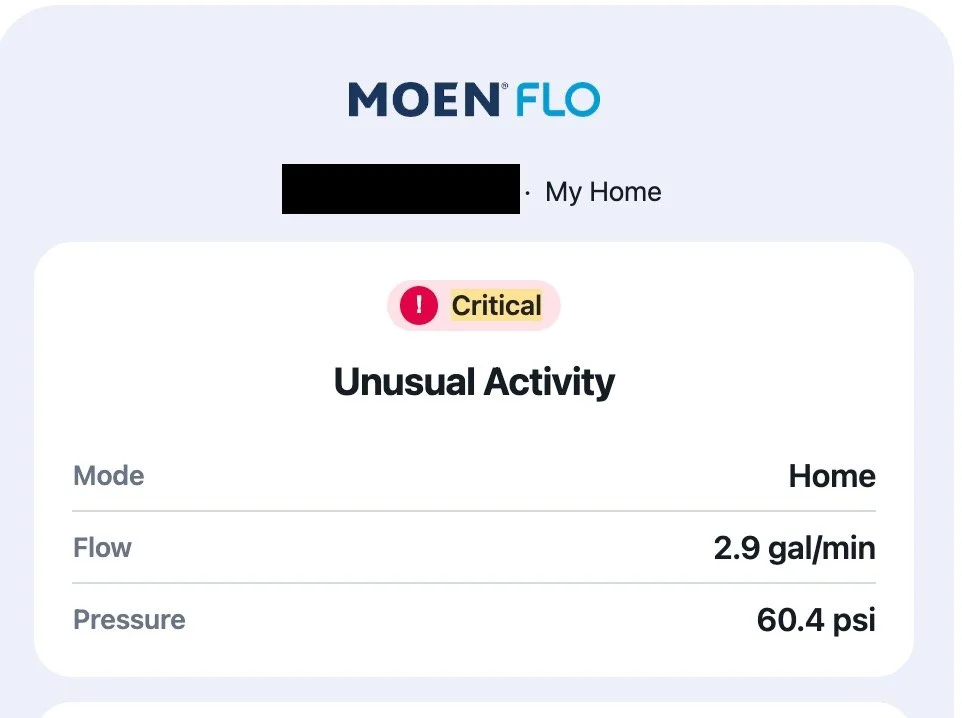
Example Moen Notification
Where do leaks start in a typical home?
Most start small and out of sight:
Supply lines under sinks and behind toilets
Washing machine hoses
Water heaters
Refrigerator and ice maker lines
Outdoor spigots and buried supply lines
Pipes inside walls, like the one in my powder bath
From the field: In the last two months, our team found slow outdoor leaks at two homes we manage. One spigot dripped nonstop. Another was fed by a damaged buried supply line near a pool. Neither was a crisis yet. Both were the kind of leak that runs for weeks unnoticed. At both homes, we had the plumber fix the leak and install an automatic shutoff in the same visit, so the next one gets caught by the system, not by luck.
What can you do this week without a smart shutoff?
A smart shutoff is the strongest protection, but a few basics cut your risk today:
Find your main water shutoff. Confirm it turns, and label it so anyone in the house can close it fast.
Check under every sink. Look for drips, stains, or soft cabinet floors.
Replace rubber washer hoses with braided stainless steel.
Know your water heater's age. Write the install date on it and plan for replacement before it fails.
Before a long trip, ask your plumber whether to close the main while you're away.
These steps help. They still depend on someone being home and paying attention. That's the gap an automatic shutoff closes.
Will an automatic shutoff lower my homeowners insurance?
It can. Some insurers offer a discount for a professionally installed, active water shutoff device. Per Moen, discounts are available through participating providers and vary by location. Ask your insurance agent before you install.
When we install one, we collect what insurers ask for: the plumber's invoice, the device serial number, and Moen's activation letter. We send all three to the owner the same day.
What does installation involve?
A few details make the difference between a shutoff that protects you and one that sits offline. Here's what we check on every install:
A licensed plumber. It goes on your main water line. Moen recommends professional installation, and the standard model fits main lines 1 inch or smaller.
Power at the valve. The device needs electrical access. Confirm there's an outlet near your main shutoff before install day.
Strong Wi-Fi where it sits. It can't alert you without a connection. If your main shutoff is in a crawlspace, basement, or garage corner, test the signal there first. You may need an extender.
Set up the app after it's installed. Wait to create your Moen account until the device is in place, then set it up on site and confirm it connects and runs its first test.
Room for plumbing changes. Some homes need piping reworked or a pressure regulator added. Plan on a few hours, depending on access.
Records. Save the location, model, warranty, invoice, and activation letter with your home records.
What happens when you sell the house?
The device stays with the home, and you can transfer it to the new owners. That makes it a selling point, and it means the next family is protected from day one.
What happens after it's installed?
A shutoff only helps if someone pays attention to it. For the homes we manage:
We watch alerts alongside the owner
We confirm it's online during our weekly 100+ point home check
We investigate unusual water use before it turns into a claim
We add it to the owner's home manual
Frequently asked questions
Is an automatic water shutoff valve worth it?
For most homes, yes. Per the Insurance Information Institute, the average water damage claim paid is about $15,400. One avoided claim covers the device many times over.
Can I install a smart water shutoff myself?
Moen recommends a licensed plumber. It goes on your main water line, and a poor install can cause the leak you're trying to prevent.
Does it work when I'm traveling?
Yes. That's when it matters most. It shuts the water off on its own and alerts you wherever you are.
Do I need a subscription?
No. Per Moen, the app is free. An optional FloProtect plan adds an extended warranty and up to $5,000 toward your insurance deductible after water damage.
What does it need to work?
Power and Wi-Fi at the valve. If your main shutoff is in a crawlspace, check the Wi-Fi signal there before you install.
Does it replace leak sensors?
No. They work together. Sensors flag water in one spot. The shutoff stops the supply to the whole house.
Want this handled for you?
Home CEO manages homes in Brentwood, Franklin, and Nashville as if they were our own. We find the risks before they find you, take care of everything after that, and bring you only the decisions you want to make. We have no financial relationship with any vendor, so every recommendation is made on your behalf.
