
How to Winterize Your Home in Nashville Before the First Freeze
Nashville's first freeze usually arrives in late October. Per the National Weather Service, the average date is Oct 29. To winterize your home in Nashville, plan one afternoon: cover the outdoor spigots, shut down irrigation, set a safe thermostat floor, check the attic and crawlspace, plan for outages, and make sure you can shut off your main water valve.
It's still warm, and that's the trap. September was Nashville's driest on record and tied for its hottest, per WSMV. Warm weeks make it easy to wait for a cold day to remind you. The houses that get hurt are the ones still waiting.
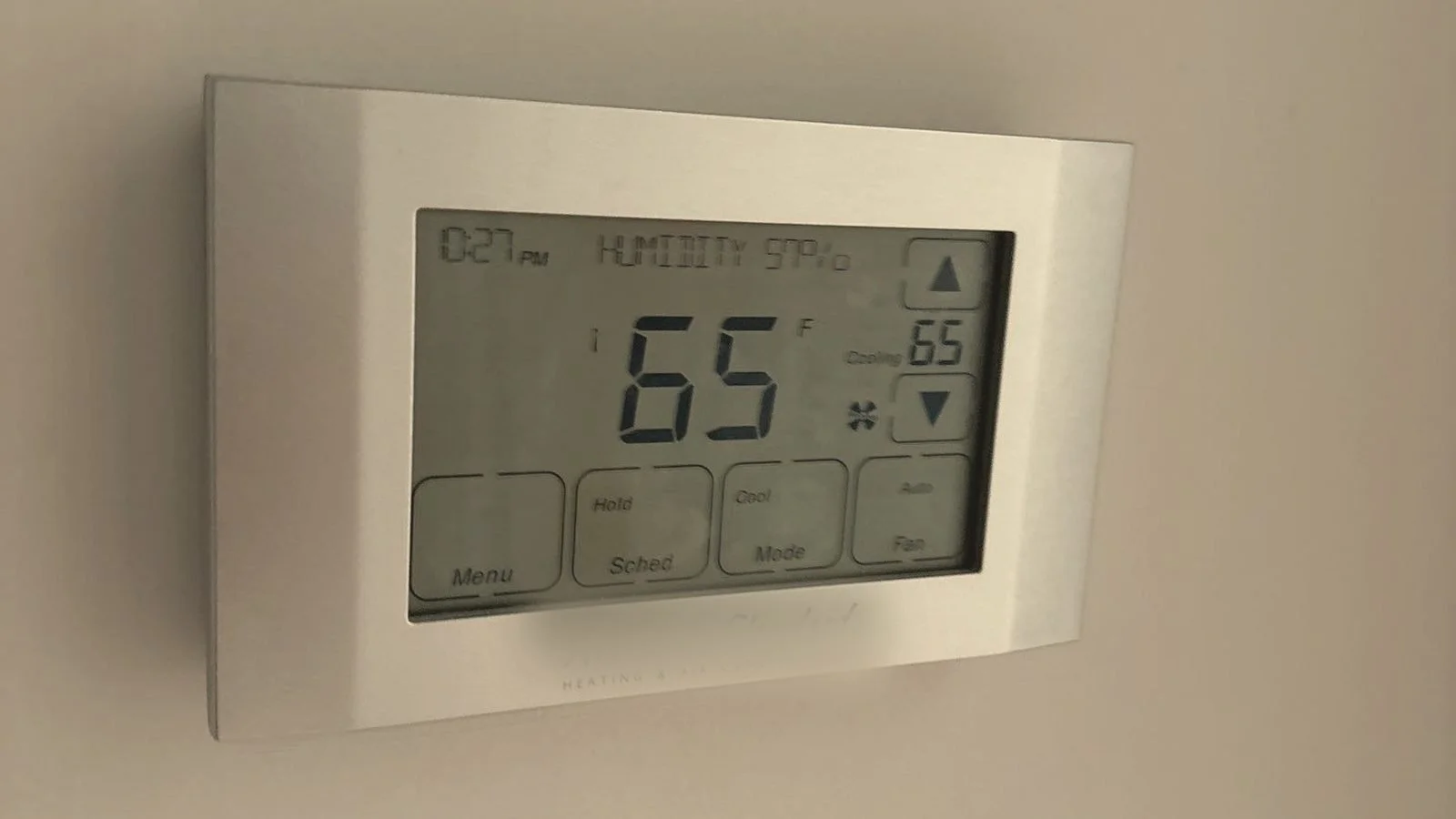
Thermostat never goes below 55, and never goes off.
This is the list we run in every home we manage each fall, in order.
When is the first freeze in Nashville?
The National Weather Service's Nashville records put the average first freeze on Oct 29. It moves around. Climate Central, cited by WPLN, puts today's average in early November, and Nashville's latest first freeze on record came on Nov 29, 2024. Outlying areas can freeze sooner than the city. We treat late October as the deadline and don't wait for a forecast.
I. Outdoor spigots
Disconnect every hose, drain the line, and put an insulated cover on every spigot. If a spigot drips when it's off, call a plumber now. That drip can mean the valve has already cracked inside the wall. We walked through a real one, step by step, in how to winterize outdoor faucets.
II. Irrigation
Metro Water Services tells Nashville owners to drain seasonal irrigation systems before temperatures drop. The backflow preventer, the brass assembly above ground near the house, is the part that cracks. Per Hoffmann Brothers, an un-winterized backflow preventer can crack or leak.
Shut off the water to the irrigation system.
Have the lines drained or blown out by your irrigation company, following the installer's directions.
Insulate the backflow preventer. Metro Water suggests an insulated cover, heat tape or an enclosure.
Set the controller to off, so a warm week doesn't start a cycle.
III. Thermostat: what temperature keeps pipes from freezing?
The American Red Cross and State Farm both say: if you're away, keep the heat set no lower than 55°F, day and night. Never turn it off. That goes for a second home, a home between owners, and your own house over the holidays.
This is one of the cheapest items on the list, and the cost of skipping it is high. State Farm reports its average frozen-pipe claim is over $30,000, and Tennessee ranks in its top five states by total cost.
IV. Attic and crawlspace
Pipes freeze first where the heat doesn't reach. The Red Cross lists crawlspaces, attics, garages, kitchen cabinets and pipes along poorly insulated exterior walls. Research from the University of Illinois Building Research Council, cited by AdvantaClean, found that in southern states, uninsulated attic pipes started freezing at 20°F or below.
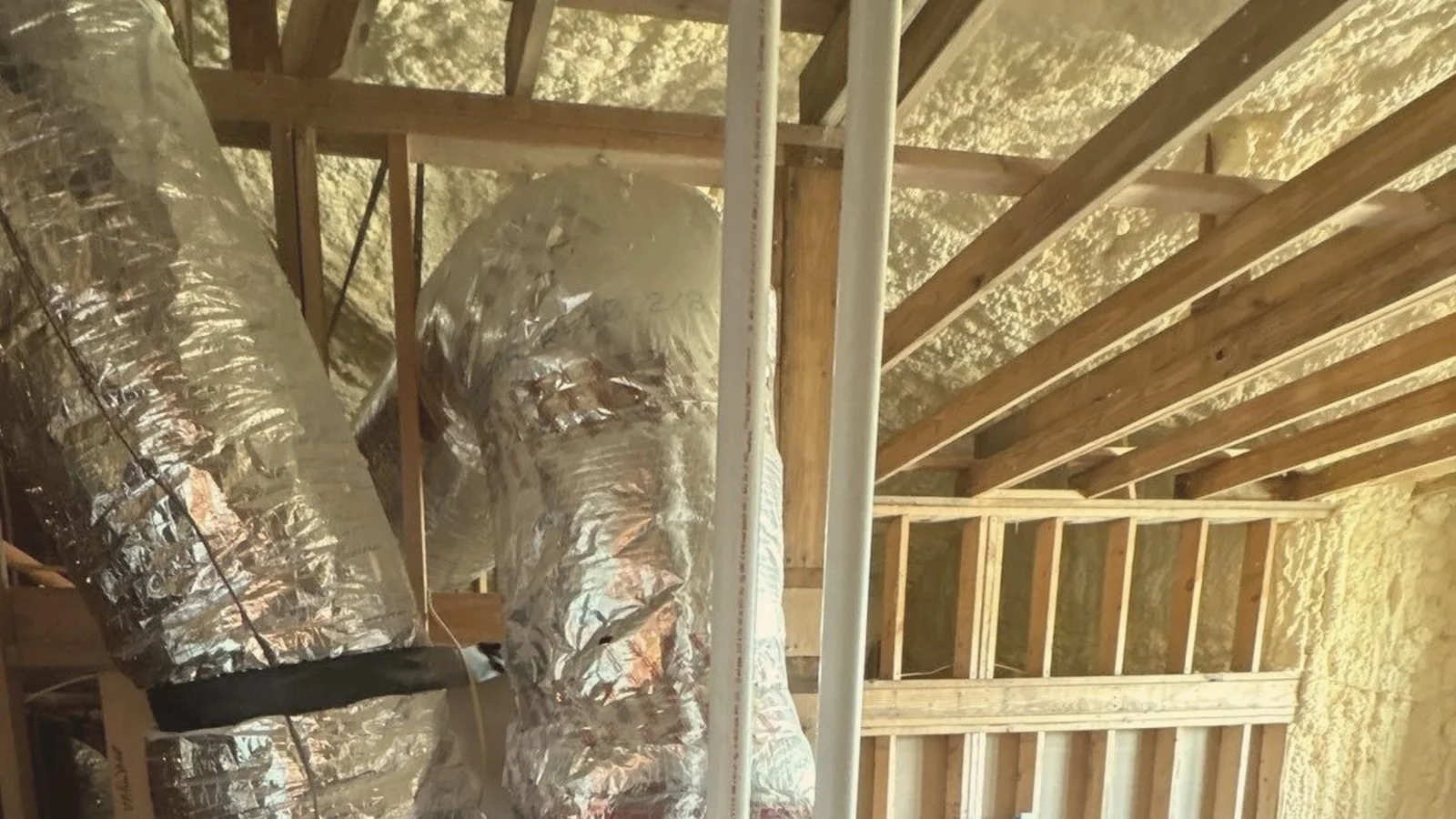
Unheated spaces are where pipes freeze first.
Look for exposed water lines. Insulate any you find in the attic, crawlspace or garage.
Close the foundation vents during long freezes, and reopen them when it warms up, per NC State Extension. An encapsulated crawlspace won't have vents to close.
Heat tape: only UL-listed tape, installed per the manufacturer's instructions. The CPSC says to plug it into a GFCI outlet and never overlap it.
Open the sink cabinets on exterior walls on the coldest nights, so warm air reaches the pipes.
From the field: Last winter, at a property we manage, the water lines in an unheated barn froze. The barn flooded, and a tankless water heater broke. None of it was in the main house, which is why it's easy to miss. That's why outbuildings, pool houses and garages with water lines are on our fall list too.
V. Backup power
Ice takes the power. The heat goes with it. Then the pipes. In January's ice storm, outages peaked at 230,000 Nashville Electric Service customers, and it took 13 days to restore 99.9% of them, per WSMV.
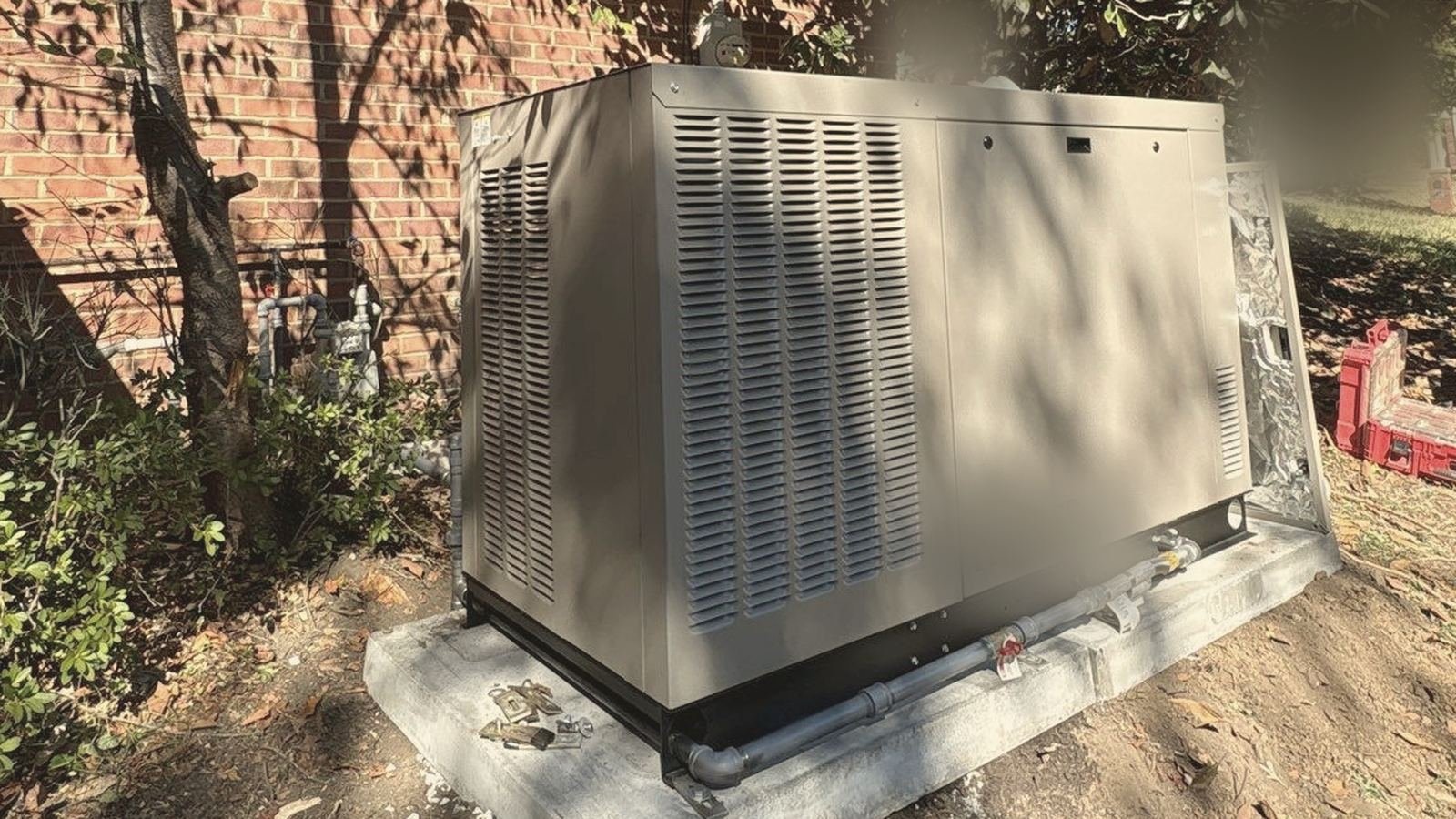
If you have a generator, test it before you need it.
If you have a standby generator, make sure it runs its exercise cycle. Generac's units can self-test weekly, every two weeks or monthly. Have it serviced and the transfer switch tested before winter, not during the first outage.
If you use a portable generator, run it outside only, more than 20 feet from windows, doors and vents, per the CDC. Never in a garage.
Carbon monoxide alarms belong on every level of the home and outside sleeping areas, per the CPSC.
Have the heating system checked this fall. ENERGY STAR recommends a fall check of the furnace or heat pump, including gas connections and the heat exchanger.
Thinking about a generator? We'll cover what we weigh before one goes in next week.
VI. Main water shutoff
One valve shuts off water to the whole house. If a pipe bursts, it's the first thing you need. Metro Water's advice is to find it now. Common spots are the crawlspace, under the kitchen sink, a utility closet or near the water heater.
Finding it isn't enough. Make sure it turns. A valve that hasn't moved in years can stick right when you need it.
A smart shutoff valve adds a layer. Moen's Flo, for example, sends a freeze warning when the water inside the valve reaches 36°F, and shuts the water off on its own when it detects a leak. Here's why we recommend an automatic water shutoff valve.
What does Home CEO do before the first freeze?
We run all six in every home we manage, every fall. Then our Home Operations Director keeps watch through the winter on a documented 100+ point weekly check: covers still on, hoses still off, heat still on, nothing dripping where it shouldn't.
Frequently asked questions
When should I winterize my home in Nashville?
Before the first freeze. The National Weather Service puts Nashville's average first freeze on Oct 29, so mid-to-late October is a safe target. Outlying areas can freeze earlier.
What temperature should I leave my thermostat at when I travel in winter?
No lower than 55°F, day and night, per the American Red Cross. Never turn the heat off in an empty house.
Should I close my crawlspace vents in winter?
During long freezes, yes, then reopen them when it warms up, per NC State Extension. If your crawlspace is encapsulated, there are no vents to close.
Do I need to winterize my irrigation system in Middle Tennessee?
Yes. Metro Water Services recommends draining seasonal irrigation before temperatures drop and protecting the backflow preventer, the part most likely to crack.
Want this done for you every fall?
Home CEO manages homes in Brentwood, Franklin, Nashville and across Williamson County as if they were our own. We catch the small problems before they turn into big ones, take care of them with our vetted vendor network, and bring you only the decisions you want to make. We have no financial relationship with any vendor, so every recommendation is made on your behalf.
