
Maintaining, repairing, and improving your home can be a full-time job. Most of that job is hours: calling vendors, waiting on quotes, comparing them, and working out the right fix. We spend those hours so you don't have to. That's what fractional estate management is: estate-manager-level care for your home, without a full-time hire. At Home CEO Services, we do it for homes in Nashville, Brentwood, Franklin and across Davidson and Williamson County.

A home like this runs on hundreds of small decisions. We make the legwork disappear.
What is fractional estate management?
An estate manager runs a private home's operations: the systems, the vendors, the maintenance plan, the records. Large estates hire one full time. A 2026 salary guide cited by Lighthouse Careers puts the median pay for a US estate manager running one property at about $185,000 a year, before housing, bonus and benefits.
Fractional means you get that job done without hiring, training or managing anyone. You pay a monthly management fee, and we run the home. You remain the owner. We manage the work.
What does a fractional estate manager do?
We cover three areas:
Proactive care: A documented 100+ point home check every visit, plus a maintenance calendar. Our Home Operations Director does the weekly check.
Repairs: From issue to resolution, through our vetted vendor network.
Improvements: Remodels, upgrades, and projects, from scope to completion.
None of this runs on memory or good intentions. We run every home on documented systems: the home manual, the 100+ point home check, the maintenance calendar, and the same six-step process for every repair.
Diagnose. We find the cause, not just the symptom.
Source. We bring in the right vendor and get the quotes.
Decide. We lay out the options with our recommendation. You make the call.
Execute. We meet every vendor on site.
Inspect. We verify the work is done right.
Close out. We pay the invoices and record what was done.
The process is the same every time, so nothing depends on who's on the job or what day it is.
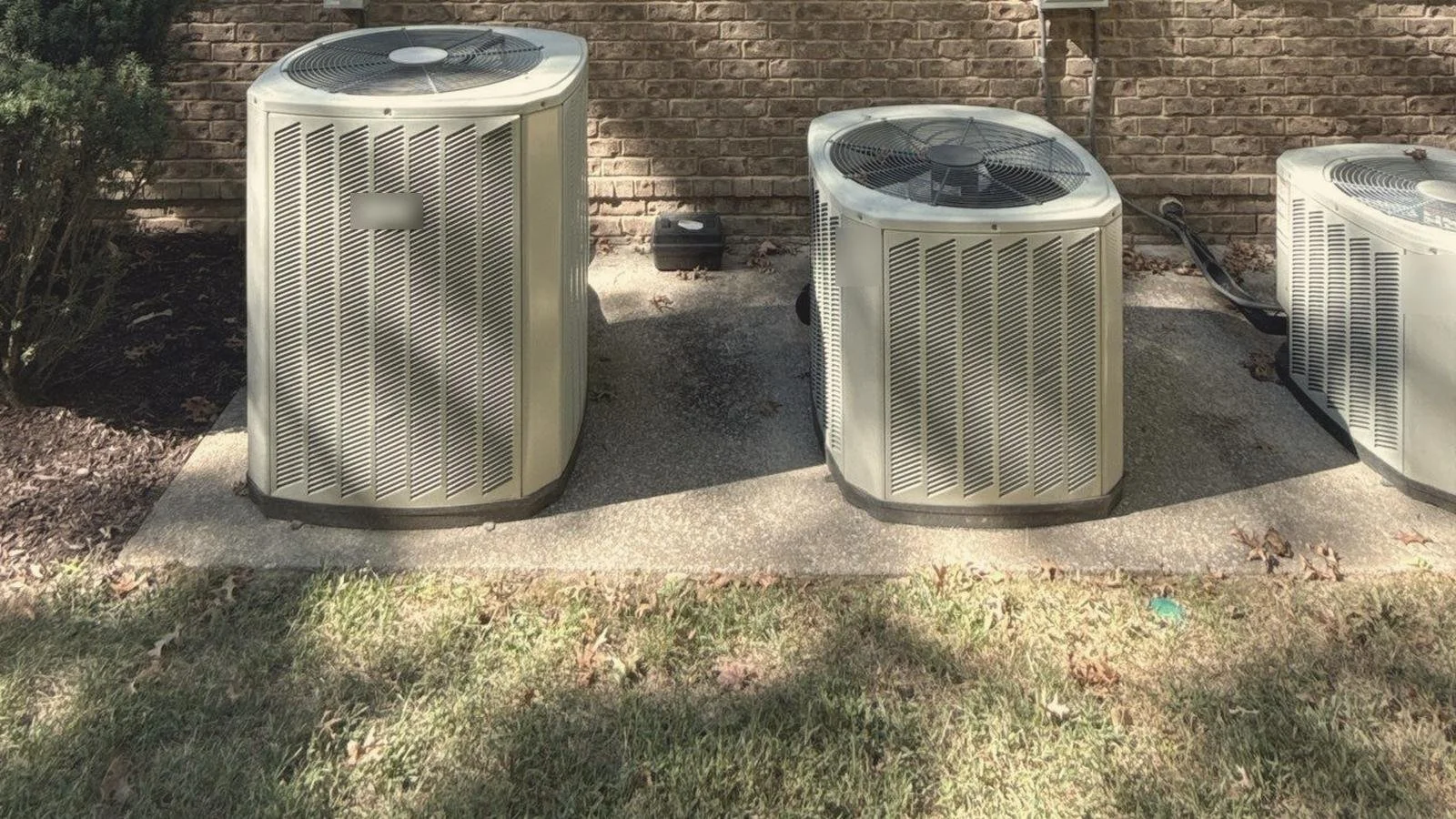
Three systems, one maintenance calendar. We track every one.
For you, that comes down to three things:
Nothing to remember. We track every system, maintenance date, and warranty.
Nothing to manage. You get only the decisions you want, with our recommendation.
Nothing to chase. We meet every vendor on site and confirm the work is right.
Proactive care is where most of the value hides. A small fix today keeps a big one from happening later. An automatic water shutoff valve and winterized outdoor faucets are two examples.
We think like the owner
We build a home manual for the homes we manage: every system, its equipment, warranties, vendors and service history in one place. It's how we know your house the way you would if you had the time.
That's what lets us connect the parts. A home is one system, and a change in one place shows up somewhere else. In the Franklin wine room below, a floor vent from the house's HVAC had to be rerouted, or the house's air would have worked against the room's cooling. Most vendors look at their piece. We look at the whole house.
Before any decision, we ask what an owner would ask: what this changes in the rest of the house, what it costs to maintain, and what it means five years from now. Then we bring you the answer.
Where your time and money go
Most homeowners have high standards. They want the right outcome. But almost no one is trained to run a home like this. Nobody teaches you how to judge three HVAC quotes that don't match, which repair to make first, or when a vendor's fix only treats a symptom.
So owners end up making expensive decisions without the training or expertise to make them well, and without the time to learn. That isn't a failing. Running a home is a job, and it takes skills most people never had a reason to build.
That's where the hours go, and where the money leaks:
Getting quotes. Calling vendors, waiting on callbacks, and meeting each one at the house. One repair can mean days of calls and site visits. We do them.
Comparing them. Quotes rarely cover the same scope. We line them up item by item, ask what each one leaves out, and push back when the price doesn't match the work.
Getting to the right answer. The first fix isn't always the right fix. We find the cause before anyone gets paid to treat a symptom.
You save two ways. You get your hours back. And you don't pay for the wrong repair, the oversized system, or the second trip to fix the first one.
What does it look like in a real home?
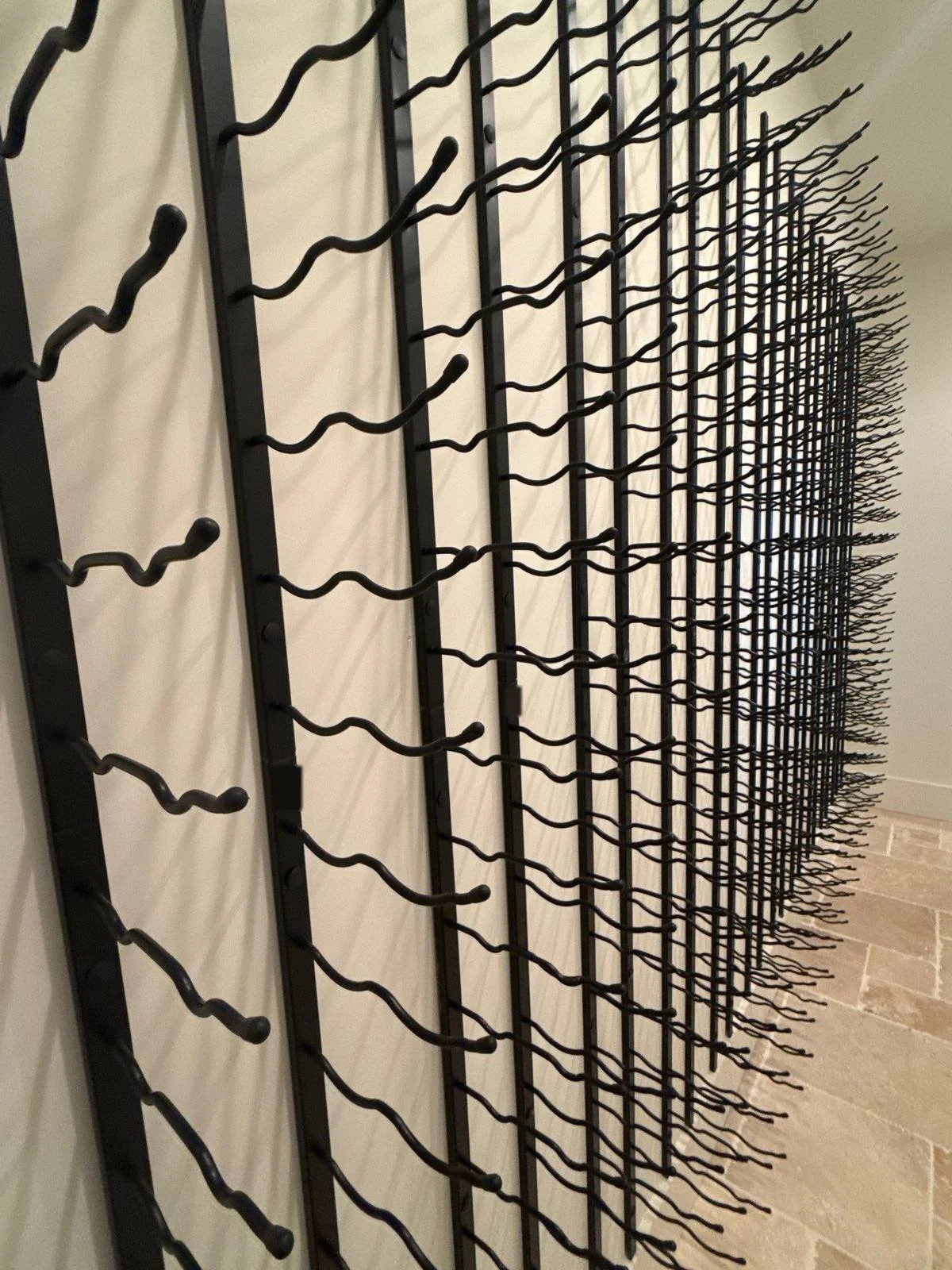
A wine room before the cooling goes in. The owner set the goal; we laid out every decision.
From the field: A Franklin owner wanted to grow a wine collection of 500 to 700 bottles to 1,000 or more, and keep the whole room between 50 and 55 degrees. Before anyone priced anything, we laid out how the build would go: the drywall comes out, a vapor barrier goes in to stop condensation inside the walls, mold-resistant drywall goes back up, then a cooling system for the whole room, then the racking. That showed the owner where the real decision was. The structure and cooling stay the same either way. The racking is what moves the price. We listed what still needed confirming in writing, from room dimensions to warranty terms. On a later HVAC visit, we marked where the cooling unit would go and flagged a floor vent that has to be rerouted so the house's air doesn't blow into the wine room. The owner made each call. We did the legwork.
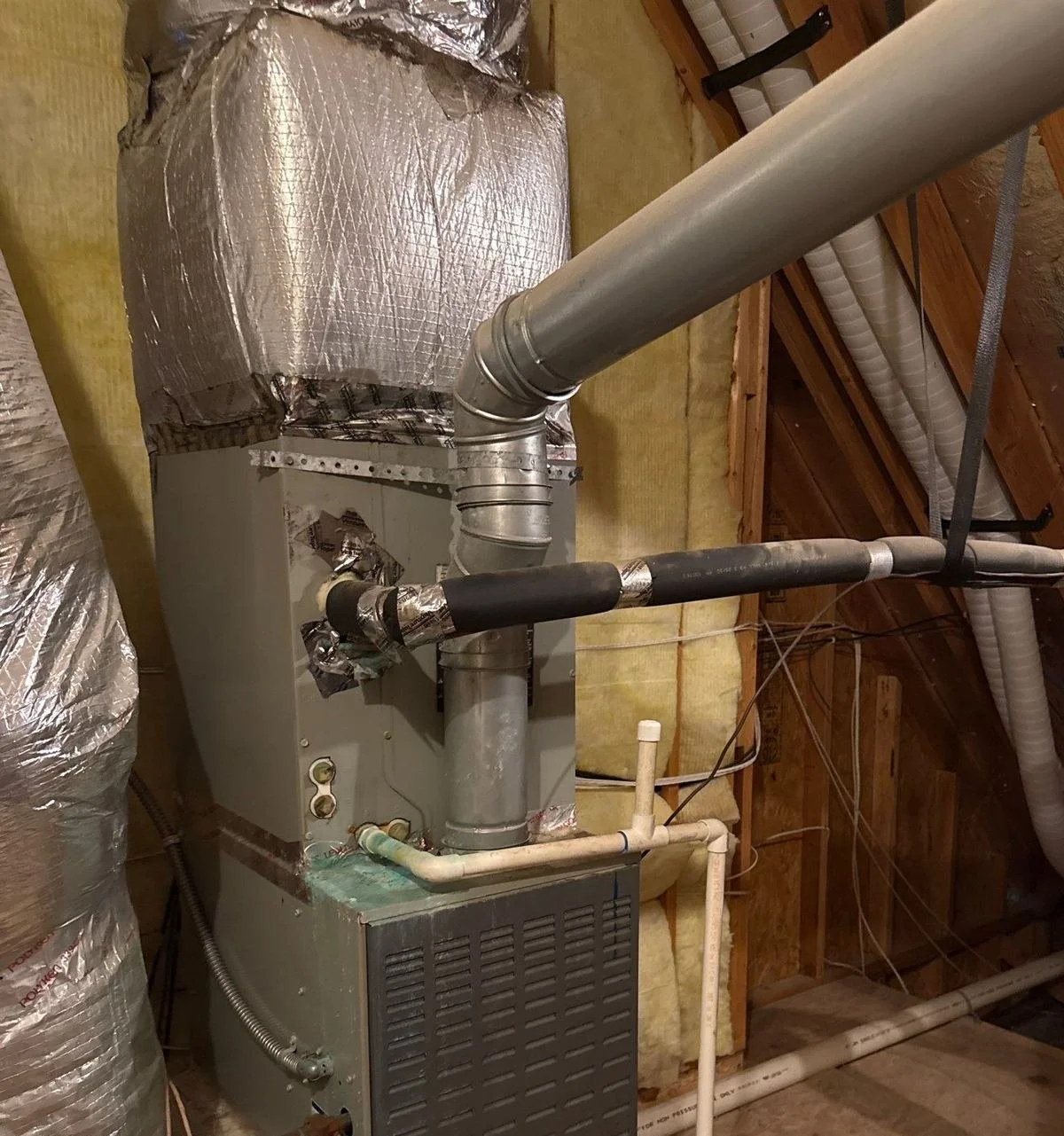
We go where the work is, attic included.
We aren't afraid to get our hands dirty. We've been in attics and crawl spaces, walked a property in pouring rain, and seen a plumber's surprise when we said we'd go into the crawl space with him to see the problem ourselves. One HVAC problem took 60 days, several vendors, the electric company, the equipment manufacturer, an insulation company and roofers to solve. It would have been easy to stop sooner. We kept going until we had the answer that made sense. That's the legwork we take off your plate.
What doesn't a fractional estate manager do?
We don't decide for you. The owner is the decider. We bring only the decisions and information you say you want.
We don't take a cut. No financial relationship with any vendor. No markups, referral fees, or commissions. You pay vendor pricing. The monthly fee is our only fee.
We aren't a property manager. Per Chase, property managers screen tenants, collect rent and handle lease issues. Their focus is tenants and revenue, and they react when something breaks. Ours is the house itself, and we work to catch problems first.
We aren't a handyman. A handyman fixes the item in front of them. We manage the whole house: we find the cause, bring in the right specialist, and verify the work.
We aren't a personal assistant. An assistant works by the hour and hands the work back to you. We own it end to end.
Who is fractional estate management for?
It fits owners of second homes, people relocating, lock-and-leave owners, and anyone arriving with a long project list. It fits people with high standards who don't have the training, expertise or time to run a home themselves, and want it done right.
One couple who split their time between two states put it this way:
"My wife and I bought a house in Franklin that we intended to occupy part-time while we also spent time in our Nevada home... They arranged inspections, estimates and installations of HVAC, electrical and plumbing equipment always obtaining multiple competitive bids and helping to evaluate them... Home CEO communicates weekly with reports and updates." — Michael B., Home CEO client
"They take care of so much of the invisible work of homeownership… I never feel like I'm taking care of my home alone." — Monica S., Home CEO client
Why I started Home CEO
I had a complex home, and managing it was up to me. I had no business or formal training in running a home like that. I made costly mistakes. And I realized the vendors I hired weren't thinking like me. They weren't thinking like owners.
I hired a personal assistant. That didn't work either. My PA was signing off on invoices and quotes that didn't make sense. Approving the work isn't the same as knowing the work.
So I built what I needed: a team that thinks like the owner, knows how every part of the house connects, and owns the work end to end. Home CEO is estate management by people who have owned an estate.
Frequently asked questions
How is fractional estate management different from property management?
Property managers work for landlords: tenants, rent and leases. Fractional estate management works for the owner who lives in the home, or owns it as a second home. We run the house itself: its systems, repairs and projects.
Do you mark up vendor work?
No. We have no financial relationship with any vendor: no markups, referral fees, or commissions. You see vendor quotes directly and pay vendor pricing.
What's included in the weekly home check?
Our Home Operations Director runs a documented 100+ point inspection every visit. Anything that needs attention goes into our issue process, and you hear about the decisions you want to make.
What areas do you serve?
Home CEO Services manages homes in Brentwood, Franklin, Greater Nashville and across Williamson County, Tennessee.
Want your time back?
Book a 15-minute call, and we'll talk through your home and what you'd want off your plate.
